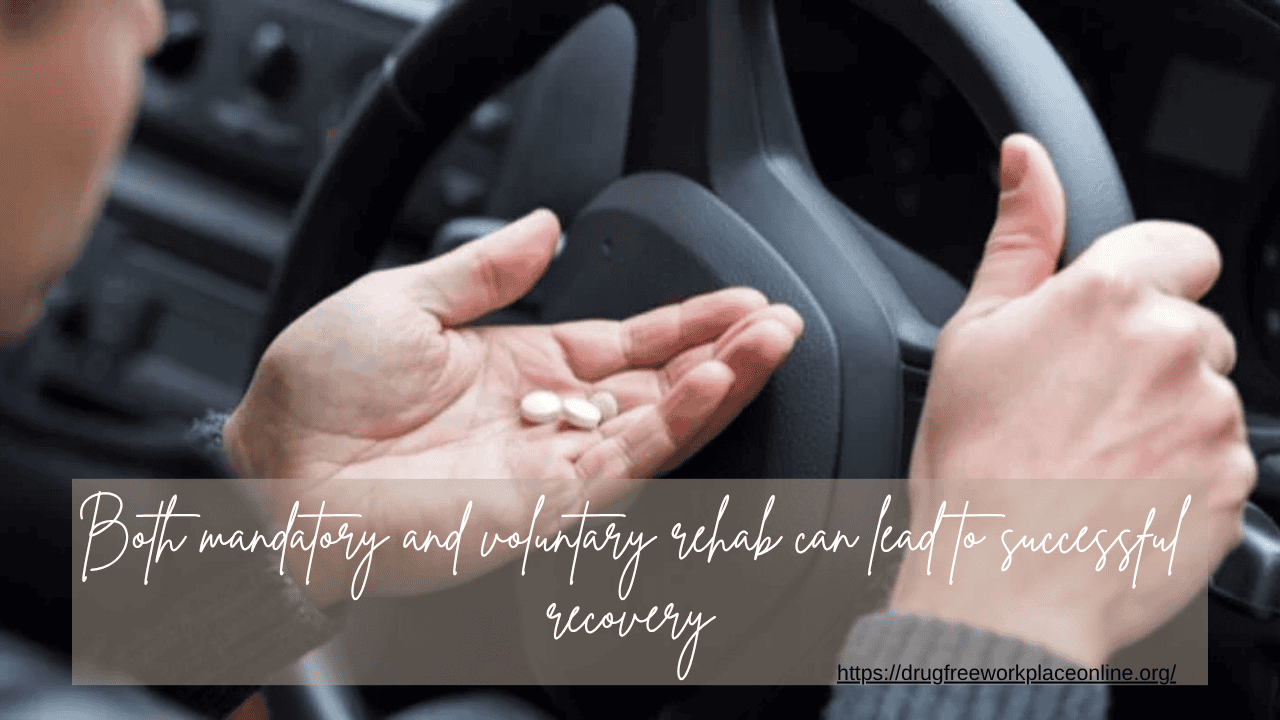
 For drivers facing substance abuse issues, entering a rehabilitation program can be a critical step toward recovery and job retention. However, the path to rehab can differ significantly depending on whether it is mandatory—court-ordered or employer-required—or voluntary, initiated by the individual. Understanding the differences between these approaches is essential for drivers seeking help and clarity about their options.
What is Mandatory Rehab?
Mandatory rehab typically occurs when a driver is required to undergo treatment due to a legal issue, employer policy, or Department of Transportation (DOT) regulation. This often follows incidents such as:
- A failed drug or alcohol test
- A DUI or other substance-related traffic offense
- Employer-mandated treatment after safety concerns
Under DOT regulations, commercial drivers who test positive for drugs or alcohol must complete a Substance Abuse Professional (SAP) program. This involves an evaluation, treatment plan, follow-up testing, and successful completion before the driver can return to duty.
Mandatory rehab has clear structure and accountability but can be perceived as punitive. Still, it serves as an opportunity for change and can help individuals avoid further legal or professional consequences.
What is Voluntary Rehab?
Voluntary rehab is when a driver chooses to seek help before a substance issue leads to legal or employment problems. This proactive approach allows individuals to take control of their health and future without the added pressure of legal mandates.
Voluntary rehab offers:
- Greater flexibility in selecting a program or treatment method
- Reduced stigma and more privacy
- A higher level of intrinsic motivation, which is often linked to better outcomes
Drivers can access voluntary rehab through healthcare providers, Employee Assistance Programs (EAPs), or addiction treatment centers. Seeking help early can prevent accidents, loss of license, or job termination.
Key Differences Between Mandatory and Voluntary Rehab
| Factor | Mandatory Rehab | Voluntary Rehab |
|---|---|---|
| Initiation | Imposed by courts, DOT, or employers | Initiated by the individual |
| Flexibility | Structured, with required steps | More choice in timing and provider |
| Accountability | Must meet legal or professional requirements | Self-monitored progress |
| Perception | May feel coercive or stigmatized | Viewed as proactive and responsible |
| Outcomes | Effective if the individual engages fully | Often better engagement and long-term success |
What Drivers Need to Consider
Regardless of how treatment begins, the most important factor in recovery is commitment. Drivers should:
- Understand their legal and professional obligations
- Seek reputable treatment providers
- Stay engaged in the recovery process
- Use available support networks
If you’re a commercial driver, compliance with DOT rules is essential. For personal drivers, early intervention can prevent a crisis. Either way, taking the initiative to address addiction is a step toward safety, health, and career preservation.
Conclusion
Both mandatory and voluntary rehab can lead to successful recovery. While the path may begin differently, the goal is the same: to overcome substance abuse and return to a safe, sober life on the road. For drivers, understanding your options and taking timely action can make all the difference in maintaining your license, livelihood, and long-term well-being.