How Substance Abuse Affects Driving and What You Can Do About It

Driving requires focus, quick reflexes, sound judgment, and coordination. When any of these abilities are impaired, the risk of an accident increases dramatically. Substance abuse—whether involving alcohol, prescription medications, or illicit drugs—significantly affects a person’s ability to drive safely. Understanding these effects and knowing what steps to take can prevent accidents, protect careers, and even save lives.

The Impact of Substances on Driving Performance

Substances affect the central nervous system and alter how the brain and body function. Even small amounts can impair critical driving skills:

  • Alcohol reduces reaction time, impairs coordination, and clouds judgment.
  • Stimulants like cocaine or methamphetamines may create false confidence, erratic driving, and aggression.
  • Opioids and prescription painkillers can cause drowsiness, confusion, and slowed reflexes.
  • Marijuana affects concentration, depth perception, and motor skills.
  • Sedatives and anti-anxiety medications may lead to extreme drowsiness and delayed reactions.

The dangers are compounded when multiple substances are used together. Mixing alcohol with medications, for example, increases impairment and the likelihood of a crash.

Real-World Consequences

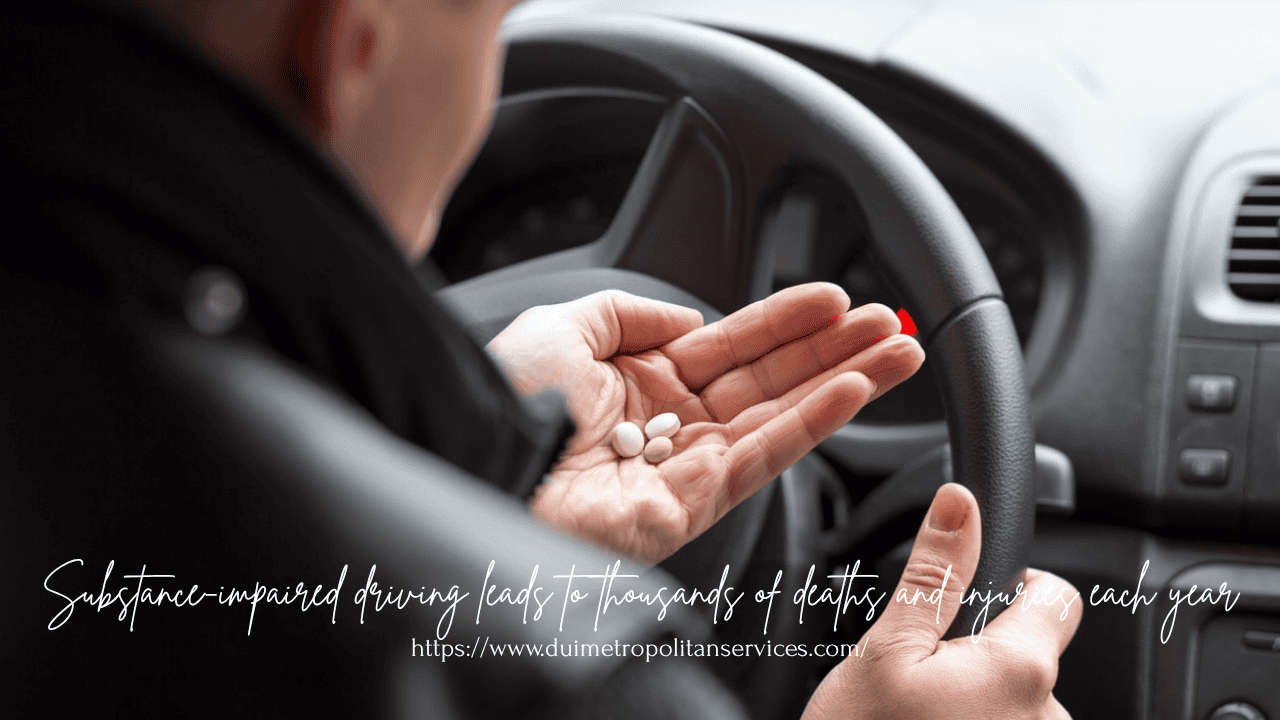
Substance-impaired driving leads to thousands of deaths and injuries each year. Beyond the physical harm, the consequences for drivers can be severe:

  • Legal issues such as DUI charges, fines, and incarceration
  • Loss of driver’s license and professional certifications
  • Job termination, especially for commercial drivers
  • Increased insurance premiums or denial of coverage
  • Criminal records that can impact future employment

For commercial drivers, a single positive test can mean permanent disqualification from their profession. That’s why recognizing and addressing substance use is so vital.

What You Can Do About It

Fortunately, there are concrete steps drivers can take to protect themselves and others from the consequences of impaired driving.

1. Recognize the Problem

Self-awareness is the first step. If you find yourself relying on substances to function, stay awake, or relieve stress, it’s time to reassess and seek support.

2. Seek Professional Help

Addiction is a medical condition, not a moral failing. Talk to a healthcare provider or addiction specialist. Treatment options include:

  • Medical detox
  • Inpatient or outpatient rehab
  • Therapy (CBT, individual, or group)
  • Medication-assisted treatment (MAT)

3. Use Support Resources

Support groups like AA and NA provide community and accountability. Many employers offer Employee Assistance Programs (EAPs) with counseling and recovery resources.

4. Commit to Safe Driving Habits

Never drive under the influence. Plan ahead:

  • Use a designated driver
  • Utilize rideshare or public transportation
  • Keep a list of emergency contacts or support numbers

Prevention Starts with Awareness

Education and early intervention save lives. By understanding how substance use affects driving, individuals can make informed choices and take responsibility for their actions.

Conclusion

Substance abuse and safe driving do not mix. Whether you’re a professional driver or a commuter, your safety and that of others depends on your ability to operate a vehicle responsibly. By recognizing the risks, seeking help, and adopting safer habits, you can stay sober behind the wheel and contribute to safer roads for everyone.

 

How Substance Abuse Affects Driving and What You Can Do About It

Driving requires focus, quick reflexes, sound judgment, and coordination. When any of these abilities are impaired, the risk of an accident increases dramatically. Substance abuse—whether involving alcohol, prescription medications, or illicit drugs—significantly affects a person’s ability to drive safely. Understanding these effects and knowing what steps to take can prevent accidents, protect careers, and even save lives.

The Impact of Substances on Driving Performance

Substances affect the central nervous system and alter how the brain and body function. Even small amounts can impair critical driving skills:

  • Alcohol reduces reaction time, impairs coordination, and clouds judgment.
  • Stimulants like cocaine or methamphetamines may create false confidence, erratic driving, and aggression.
  • Opioids and prescription painkillers can cause drowsiness, confusion, and slowed reflexes.
  • Marijuana affects concentration, depth perception, and motor skills.
  • Sedatives and anti-anxiety medications may lead to extreme drowsiness and delayed reactions.

The dangers are compounded when multiple substances are used together. Mixing alcohol with medications, for example, increases impairment and the likelihood of a crash.

Real-World Consequences

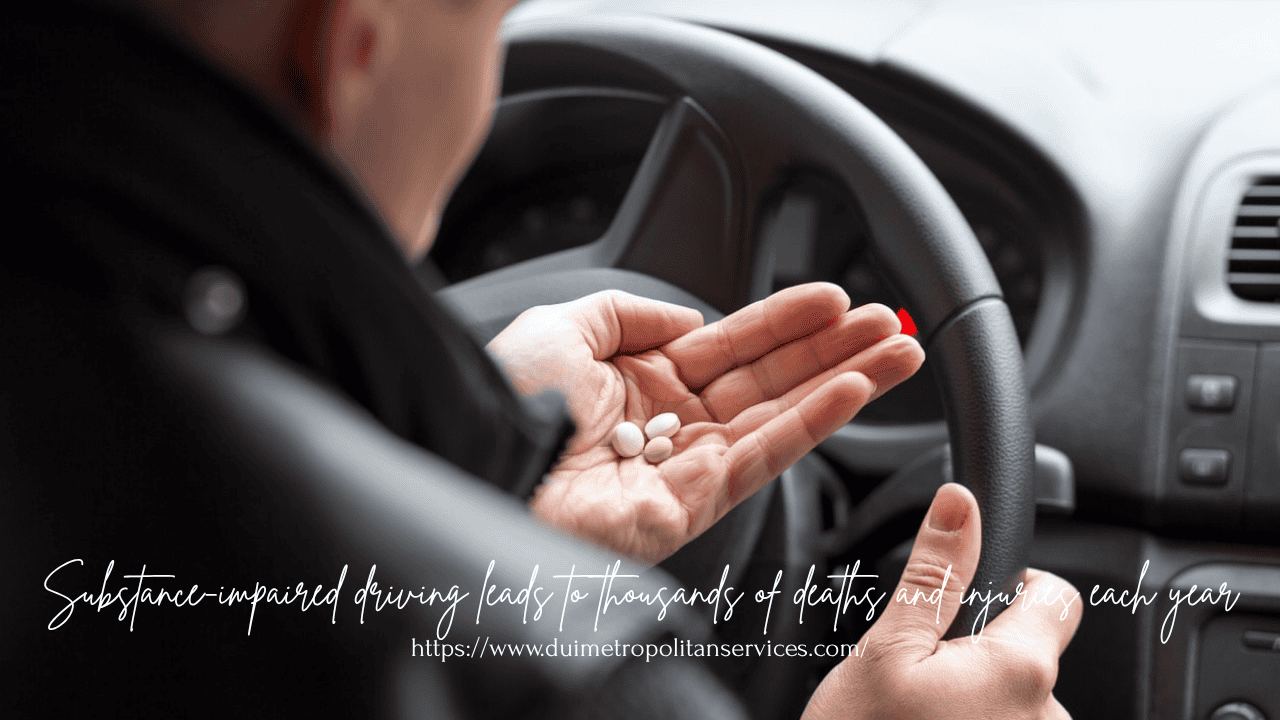
Substance-impaired driving leads to thousands of deaths and injuries each year. Beyond the physical harm, the consequences for drivers can be severe:

  • Legal issues such as DUI charges, fines, and incarceration
  • Loss of driver’s license and professional certifications
  • Job termination, especially for commercial drivers
  • Increased insurance premiums or denial of coverage
  • Criminal records that can impact future employment

For commercial drivers, a single positive test can mean permanent disqualification from their profession. That’s why recognizing and addressing substance use is so vital.

What You Can Do About It

Fortunately, there are concrete steps drivers can take to protect themselves and others from the consequences of impaired driving.

1. Recognize the Problem

Self-awareness is the first step. If you find yourself relying on substances to function, stay awake, or relieve stress, it’s time to reassess and seek support.

2. Seek Professional Help

Addiction is a medical condition, not a moral failing. Talk to a healthcare provider or addiction specialist. Treatment options include:

  • Medical detox
  • Inpatient or outpatient rehab
  • Therapy (CBT, individual, or group)
  • Medication-assisted treatment (MAT)

3. Use Support Resources

Support groups like AA and NA provide community and accountability. Many employers offer Employee Assistance Programs (EAPs) with counseling and recovery resources.

4. Commit to Safe Driving Habits

Never drive under the influence. Plan ahead:

  • Use a designated driver
  • Utilize rideshare or public transportation
  • Keep a list of emergency contacts or support numbers

Prevention Starts with Awareness

Education and early intervention save lives. By understanding how substance use affects driving, individuals can make informed choices and take responsibility for their actions.

Conclusion

Substance abuse and safe driving do not mix. Whether you’re a professional driver or a commuter, your safety and that of others depends on your ability to operate a vehicle responsibly. By recognizing the risks, seeking help, and adopting safer habits, you can stay sober behind the wheel and contribute to safer roads for everyone.


License to Live: Addiction Recovery Strategies for Commercial and Personal Drivers

Driving represents freedom, independence, and livelihood for millions of people. Whether you’re a commercial truck driver transporting goods across the country or a personal driver commuting daily, your ability to drive safely is crucial. However, substance abuse can threaten this independence and endanger lives. Fortunately, there are effective recovery strategies that can help both commercial and personal drivers regain control and protect their futures.

Understanding the Risks of Substance Abuse

Drivers face many stressors that may contribute to substance use. Commercial drivers often deal with long hours, fatigue, isolation, and tight deadlines, while personal drivers might struggle with work-life balance, financial stress, or chronic health issues. These challenges can make alcohol, prescription drugs, or illicit substances seem like an escape.

Unfortunately, substance abuse impairs reaction times, decision-making, and coordination—skills critical for safe driving. A single lapse can result in a DUI, license suspension, job loss, or even a fatal accident.

Recognizing When Help is Needed

Early intervention can prevent further harm. Warning signs that indicate a driver may need help include:

  • Using substances to cope with stress or stay awake
  • Frequent traffic violations or accidents
  • Mood swings, irritability, or social withdrawal
  • Deterioration in physical health or hygiene
  • Difficulty meeting work responsibilities

Recognizing these signs in yourself or others is the first step toward recovery.

Strategies for Recovery

Recovery from addiction is a personal journey, but several evidence-based strategies can support drivers on their path to sobriety:

1. Medical Detox

If a physical dependency has developed, medical detox can provide a safe, supervised environment for withdrawal. This first step clears the body of harmful substances and prepares individuals for ongoing treatment.

2. Rehabilitation Programs

Depending on the severity of the addiction, inpatient or outpatient rehab may be appropriate:

  • Inpatient rehab offers immersive, round-the-clock care in a structured environment.
  • Outpatient rehab provides flexibility for those who need to continue working while attending therapy sessions and support groups.

3. Therapeutic Support

Cognitive Behavioral Therapy (CBT), individual counseling, and group therapy can help drivers understand the root causes of addiction and develop healthy coping mechanisms.

4. Support Networks

Joining peer support groups such as Alcoholics Anonymous (AA) or Narcotics Anonymous (NA) offers accountability and encouragement. Connecting with others who understand the journey can make recovery feel less isolating.

5. DOT and Legal Compliance

Commercial drivers who fail a drug or alcohol test must complete a Department of Transportation (DOT)-compliant Substance Abuse Professional (SAP) program to return to duty. These programs guide drivers through evaluation, treatment, and follow-up.

Creating a Sustainable, Sober Lifestyle

Staying sober requires ongoing commitment. Strategies for maintaining recovery include:

  • Developing a daily routine that prioritizes health and wellness
  • Avoiding high-risk situations and triggers
  • Using employer resources like Employee Assistance Programs (EAPs)
  • Seeking regular counseling and attending support meetings

Conclusion

Substance abuse doesn’t have to strip you of your license—or your life. With the right recovery plan, commercial and personal drivers can reclaim their independence, ensure road safety, and live fulfilling, sober lives. Your license isn’t just a permit to drive—it’s a license to live.