
Steering Clear of Substance Abuse: Effective Rehab Solutions for Drivers

Professional drivers carry enormous responsibility every time they get behind the wheel. Whether transporting passengers, delivering goods, or managing long routes, the pressure of the job can lead to chronic stress, fatigue, and emotional strain. For many drivers, these challenges become overwhelming and may contribute to substance use as a way to cope. The good news is that effective and compassionate rehab solutions are available. With the right support, drivers can protect their careers, rebuild their health, and move forward with confidence.

Understanding the Risks Drivers Face

Substance abuse among drivers often begins subtly. Long hours, irregular sleep patterns, and extended time away from home can make it difficult to maintain healthy routines. Over time, some drivers turn to alcohol, stimulants, or prescription medications to manage discomfort or stay alert. These substances not only affect personal well-being but also place careers, licenses, and public safety at risk.

Why Substance Use Can Escalate Quickly

Drivers are particularly vulnerable because their work environment amplifies stress and isolation. Factors that contribute to dependency may include:

  • Reliance on stimulants to stay awake during long shifts

  • Using alcohol to unwind or cope with loneliness

  • Pressure to perform under tight deadlines

  • Limited access to consistent medical or mental health care

  • Chronic pain from long hours of sitting or repetitive physical activity

Recognizing these risks is the first step toward breaking the cycle of dependency.

Effective Rehab Solutions Tailored for Drivers

DUI Metropolitan Services offers treatment approaches created with the unique needs of drivers in mind. By combining clinical care with compassionate guidance, they provide programs that support both personal recovery and professional stability.

Medical Detox for a Safe Foundation

For many drivers, detox is the first step. This process helps the body safely release harmful substances under medical supervision. A supervised detox reduces discomfort, minimizes health risks, and ensures clients begin treatment from a stable starting point.

Inpatient Rehabilitation for Deep Healing

Some drivers benefit from stepping away from daily stress to focus fully on recovery. Inpatient care provides a structured and supportive environment where clients receive:

  • Individual counseling

  • Group therapy

  • Mental health support

  • Customized treatment plans

This immersive setting allows drivers to develop coping skills, rebuild confidence, and establish a healthier mindset.

Outpatient Programs for Flexible Support

Drivers who need treatment without stepping away from work may prefer outpatient care. This option allows clients to attend scheduled therapy sessions, participate in group support, and continue meeting personal and professional responsibilities. Outpatient programs are ideal for individuals who need accountability and guidance while maintaining daily routines.

Holistic and Faith-Based Care

Healing involves more than physical recovery. DUI Metropolitan Services offers holistic and faith-based options to support emotional, spiritual, and mental well-being. These may include mindfulness practices, spiritual counseling, stress-management techniques, and wellness activities. Each plan is personalized to reflect the client’s values, beliefs, and long-term goals.

Building Long-Term Sobriety on the Road

Lasting recovery requires ongoing commitment, especially in a profession with irregular hours and high demands. Drivers can strengthen their sobriety by:

  • Continuing therapy or check-ins after formal treatment

  • Participating in support groups

  • Practicing healthy sleep and nutrition habits

  • Setting realistic work schedules when possible

  • Using coping strategies learned in treatment during stressful moments

These tools help prevent relapse and create stability both on and off the road.

Take the First Step Toward a Healthier Future

Substance abuse does not have to define a driver’s life or career. With compassionate and individualized care from DUI Metropolitan Services, drivers can regain control, improve their well-being, and return to the road with renewed clarity and strength. If you or someone you know is ready to begin the journey to recovery, reaching out today could be the most important decision you make. Help is available, and a safer, healthier path forward is within reach.

On the Road to Sobriety: Tailored Addiction Programs for Truckers and Rideshare Drivers

Life on the road is demanding. For truckers and rideshare drivers, long hours, irregular schedules, and the constant responsibility of transporting people or goods can take a toll on both physical and mental health. Many drivers turn to alcohol, stimulants, or prescription medications to manage fatigue, stress, or chronic pain. While these coping strategies may provide temporary relief, they can quickly lead to dependency and addiction. Fortunately, with tailored treatment programs, drivers can regain control of their lives, maintain their careers, and achieve lasting sobriety.
Unique Challenges for Drivers

Professional driving is more than a job—it is a lifestyle that often involves isolation, irregular sleep patterns, and high-stress situations. These factors can increase vulnerability to substance use. Drivers may rely on stimulants to stay awake during long hauls or use alcohol to unwind after a demanding shift. Over time, these patterns can develop into addiction, impacting safety, health, and career longevity.

Recognizing the Signs of Addiction

Early identification of substance use issues is key to effective recovery. Warning signs may include:

  • Increased reliance on alcohol or drugs to manage stress or fatigue

  • Mood swings, irritability, or anxiety

  • Declining job performance or frequent errors on the road

  • Legal or regulatory issues due to substance use

  • Physical symptoms such as chronic fatigue, weight changes, or tremors

Awareness of these signs can prompt early intervention, which significantly improves the chances of successful recovery.

Tailored Treatment Programs for Drivers

Medical Detox for a Safe Start

The first step in recovery is often medical detox. For drivers with substance dependency, professional detox ensures that withdrawal symptoms are managed safely and effectively. DUI Metropolitan Services provides 24-hour medical supervision to help clients begin their journey toward sobriety with comfort and confidence.

Inpatient Rehabilitation for Comprehensive Care

Inpatient programs offer a structured and supportive environment where drivers can focus entirely on recovery. These programs include individual therapy, group counseling, and education on coping strategies. Inpatient rehab is particularly beneficial for drivers who need distance from work-related stressors or require intensive support for co-occurring mental health conditions.

Outpatient Programs for Flexibility

Outpatient treatment allows drivers to receive care while maintaining their professional and personal responsibilities. Participants attend scheduled therapy sessions and support groups while continuing to work. This approach provides a balance between recovery and career obligations, making long-term success more attainable.

Holistic and Faith-Based Approaches

Recovery is not just about stopping substance use; it is about restoring overall well-being. Holistic treatments, including mindfulness, nutrition, and fitness programs, help drivers rebuild physical and emotional health. Faith-based counseling offers spiritual guidance and support for those who seek it. DUI Metropolitan Services creates individualized plans that address each driver’s unique needs, values, and lifestyle.

Maintaining Long-Term Sobriety

Sustaining recovery requires ongoing commitment. Drivers can support long-term sobriety by:

  • Continuing therapy or counseling after formal treatment

  • Joining support groups such as Alcoholics Anonymous or Narcotics Anonymous

  • Establishing healthy routines with proper sleep, exercise, and nutrition

  • Utilizing employer assistance programs for guidance and accountability

Take the Next Step Toward Healing

Addiction does not have to define a driver’s career or life. With compassionate, personalized care from DUI Metropolitan Services, truckers and rideshare drivers can overcome substance use, rebuild confidence, and return to the road safely. Every journey to sobriety begins with a single step. Reach out today to explore treatment options and start a healthier, safer, and more fulfilling future.

Driving Toward Recovery: How Commercial Drivers Can Find the Right Rehab

Commercial drivers face unique challenges on the road. Long hours, irregular schedules, and the constant responsibility of transporting goods and people can create high levels of stress and fatigue. For some, these pressures can lead to substance use as a way to cope, which can escalate into addiction. Finding the right rehabilitation program is essential not only for health but also for career stability and safety. With the proper support, commercial drivers can regain control of their lives, stay safe on the road, and maintain their professional responsibilities.

Understanding the Risks for Commercial Drivers

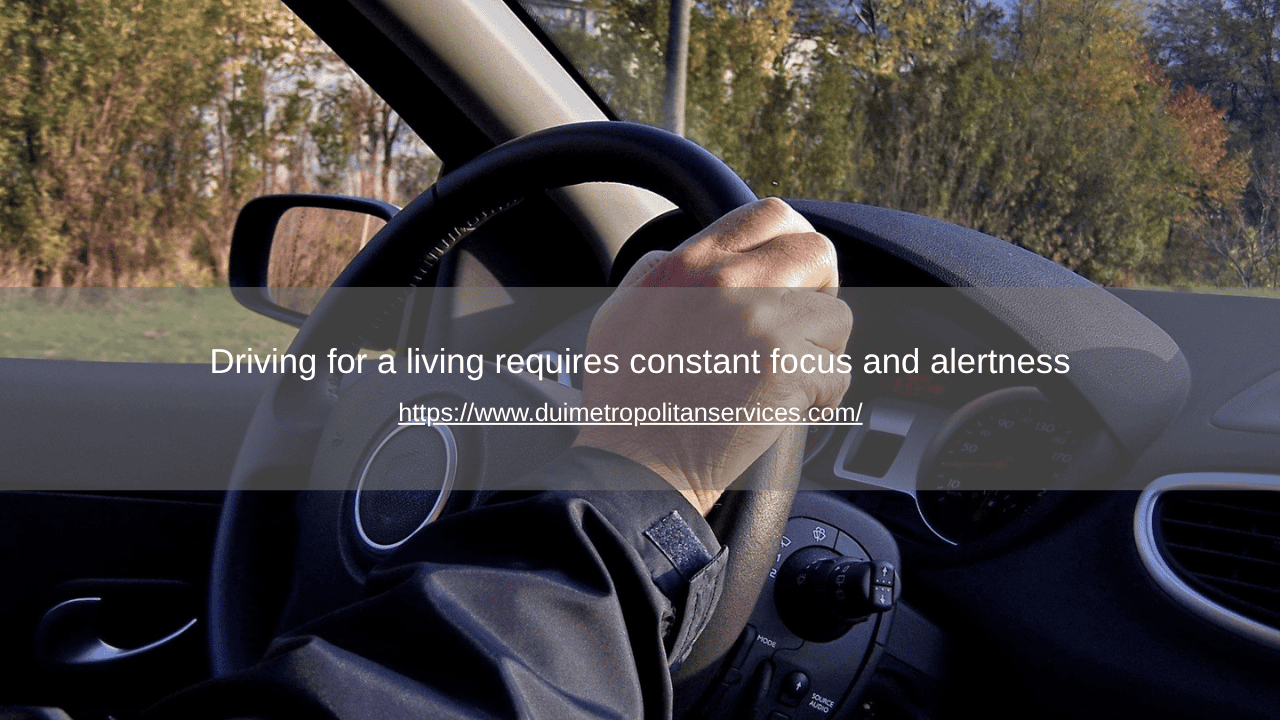
Driving for a living requires constant focus and alertness. Extended periods behind the wheel, physical strain, and social isolation can increase vulnerability to substance use. Drivers may turn to stimulants, alcohol, or prescription medications to manage fatigue, pain, or stress. Unfortunately, these substances can quickly become addictive, affecting performance, safety, and overall well-being.

Recognizing Signs of Addiction

Early intervention is critical for successful recovery. Commercial drivers and their families should look out for:

  • Increased reliance on substances to stay awake or cope with stress

  • Mood swings, irritability, or signs of anxiety and depression

  • Frequent accidents, errors, or declining work performance

  • Legal issues related to substance use

  • Physical symptoms such as fatigue, weight loss, or tremors

Awareness of these signs can help drivers seek help before addiction leads to more serious consequences.

Treatment Options for Commercial Drivers

Medical Detox for Safe Substance Removal

The first step in recovery is often medical detox. Detox under professional supervision allows the body to safely eliminate substances while managing withdrawal symptoms. DUI Metropolitan Services provides 24/7 medical care during this stage, ensuring safety and comfort for drivers beginning their recovery journey.

Inpatient Rehabilitation for Intensive Support

Inpatient rehab programs provide a structured environment where drivers can focus entirely on recovery. These programs include individual therapy, group counseling, and education on coping strategies. Inpatient care is particularly beneficial for drivers who need distance from work-related triggers or who face co-occurring mental health challenges.

Outpatient Programs for Flexibility

For drivers who cannot take extended time away from work or family, outpatient programs offer an effective alternative. These programs allow participants to attend therapy and counseling sessions while continuing daily responsibilities. Outpatient rehab supports recovery while maintaining career stability and personal obligations.

Holistic and Faith-Based Recovery Approaches

Addiction affects mind, body, and spirit. Holistic treatments such as mindfulness, fitness, and nutrition counseling can restore balance and resilience. Faith-based approaches offer spiritual guidance and strength for those who seek it. At DUI Metropolitan Services, individualized treatment plans ensure that each driver receives care tailored to their personal needs and values.

Maintaining Recovery on the Road

Recovery is an ongoing process that extends beyond treatment. Drivers can strengthen long-term sobriety by:

  • Continuing therapy or counseling after formal treatment

  • Participating in support groups such as Alcoholics Anonymous or Narcotics Anonymous

  • Maintaining healthy routines with proper sleep, nutrition, and exercise

  • Using employer assistance programs for guidance and accountability

Take the First Step Toward Healing

Addiction does not have to define a commercial driver’s career or life. With professional, compassionate care from DUI Metropolitan Services, drivers can overcome substance use, regain confidence, and return to the road safely. Every journey toward recovery starts with a single step. If you or a loved one is struggling with addiction, reach out today to explore treatment options and begin the path toward a healthier, more stable future.

Behind the Wheel and Beyond Addiction: Treatment Options for Professional Drivers

Professional drivers are the backbone of our transportation system. From long-haul truckers to taxi and rideshare drivers, these individuals spend countless hours on the road ensuring that people and goods reach their destinations safely. While the work can be fulfilling, it also comes with significant stress, fatigue, and isolation. For some, these pressures can lead to substance use, which can quickly escalate into addiction. Overcoming addiction while maintaining a career in driving may seem challenging, but with the right treatment options, recovery is not only possible—it can also restore health, confidence, and professional stability.

Understanding the Challenges Faced by Drivers

Driving professionally is more than just a job; it is a lifestyle that often requires long periods away from home, irregular sleep schedules, and constant mental alertness. These conditions can contribute to both physical and emotional strain. Some drivers may turn to alcohol, stimulants, or prescription medications to cope with fatigue, stress, or chronic pain. Unfortunately, these coping mechanisms can develop into dependency, impair judgment, and threaten both safety and career.

Recognizing the Signs of Substance Use

Early recognition of addiction is key to effective treatment. Professional drivers should watch for warning signs such as:

  • Increased reliance on substances to manage stress or fatigue

  • Mood swings, irritability, or anxiety

  • Declining job performance or missed deadlines

  • Legal or disciplinary issues related to substance use

  • Physical changes such as tremors, fatigue, or weight fluctuations

Identifying these signs early and seeking help can prevent further health complications and career disruption.

Treatment Options for Drivers

Medical Detox: A Safe First Step

Detoxification is often the first stage in addressing substance dependence. Medical detox under professional supervision ensures that withdrawal symptoms are safely managed, allowing the body to eliminate harmful substances. DUI Metropolitan Services provides 24-hour medical support during this critical phase, helping drivers start recovery with safety and confidence.

Inpatient Rehabilitation for Intensive Care

Inpatient programs offer structured environments that allow drivers to focus fully on recovery. These programs include individual therapy, group counseling, and education on coping strategies. Inpatient rehab is ideal for drivers who need distance from work-related stressors or who require close monitoring to address co-occurring mental health concerns.

Outpatient Programs for Flexibility

For drivers who cannot take extended time away from work, outpatient treatment offers an effective alternative. Participants attend scheduled therapy and counseling sessions while continuing daily responsibilities. This approach allows drivers to maintain career stability while receiving professional support for recovery.

Holistic and Faith-Based Approaches

True recovery addresses the mind, body, and spirit. DUI Metropolitan Services offers holistic options such as mindfulness practices, fitness programs, and nutritional guidance to restore balance and wellness. Faith-based counseling is also available for drivers seeking spiritual support, ensuring treatment is tailored to personal beliefs and needs.

Maintaining Long-Term Sobriety

Recovery does not end with treatment. Drivers must adopt strategies to maintain sobriety and prevent relapse, including:

  • Joining support groups like Alcoholics Anonymous or Narcotics Anonymous

  • Practicing healthy routines with proper sleep, nutrition, and exercise

  • Continuing counseling or therapy as needed

  • Leveraging employer assistance programs for ongoing guidance

Take Control of Your Journey

Addiction does not have to define a professional driver’s career or life. With compassionate, personalized care from DUI Metropolitan Services, drivers can overcome substance use, regain confidence, and rebuild their future. Every journey toward recovery starts with a single step. Reach out today to begin your path to health, safety, and lasting sobriety.