 For professional drivers, the road can be both a livelihood and a lonely, high-pressure environment. Long hours, irregular sleep patterns, and extended periods of isolation contribute to stress and fatigue—factors that increase the risk of substance abuse. Unfortunately, when addiction takes hold, it can jeopardize not just a driver’s health, but also their career, license, and the safety of others. The good news is that specialized recovery programs exist to help drivers get back on track.
Why Drivers Are at Risk
Commercial truck drivers, delivery drivers, and rideshare operators face unique stressors. Physical pain from sitting for hours, pressure to meet tight delivery deadlines, and limited access to regular healthcare can lead many to self-medicate. Some turn to stimulants to stay awake, while others use alcohol or opioids to cope with chronic pain or loneliness.
Additionally, the stigma surrounding addiction can discourage drivers from seeking help until their condition affects their job performance or results in legal consequences, such as a DUI or failed drug test.
Tailored Recovery Solutions for Drivers
Recognizing the unique challenges drivers face, many treatment centers now offer programs specifically designed for those in the transportation industry. These programs focus on the following key areas:
1. Flexible Scheduling and Outpatient Options
Because drivers often have unpredictable schedules, outpatient programs allow them to receive treatment without sacrificing their income. These programs may include evening sessions, online therapy, and medication-assisted treatment (MAT) that supports recovery while allowing drivers to continue working.
2. DOT-Compliant Rehabilitation
For commercial drivers regulated by the Department of Transportation (DOT), treatment must comply with strict guidelines. DOT-compliant programs include Substance Abuse Professional (SAP) evaluations, return-to-duty protocols, and follow-up testing, ensuring that drivers can regain their commercial licenses legally and safely.
3. Peer Support and Group Therapy
Connecting with other drivers going through similar experiences can be incredibly healing. Group sessions designed for those in the transportation field create a sense of camaraderie and reduce the isolation many drivers feel.
4. Mental and Physical Health Support
Effective programs address more than just substance use—they also help drivers manage stress, depression, chronic pain, and sleep issues. Comprehensive care may include physical therapy, mindfulness training, and stress-reduction techniques.
Steps to Take
If you’re a professional driver struggling with substance abuse, here’s how to begin your road to recovery:
- Acknowledge the problem – Accepting that you need help is the first step.
- Seek an evaluation – A healthcare provider or SAP can assess your needs.
- Explore treatment options – Look for programs that fit your schedule and comply with industry regulations.
- Stay connected – Lean on family, support groups, and recovery communities to stay on track.
Conclusion
Addiction doesn’t have to be the end of the road. With tailored recovery programs, professional drivers can regain control of their lives and careers. Whether you’re dealing with chronic pain, stress, or substance dependency, help is available—and every mile forward is a step closer to healing. The journey may be long, but you’re not alone on the road to recovery.
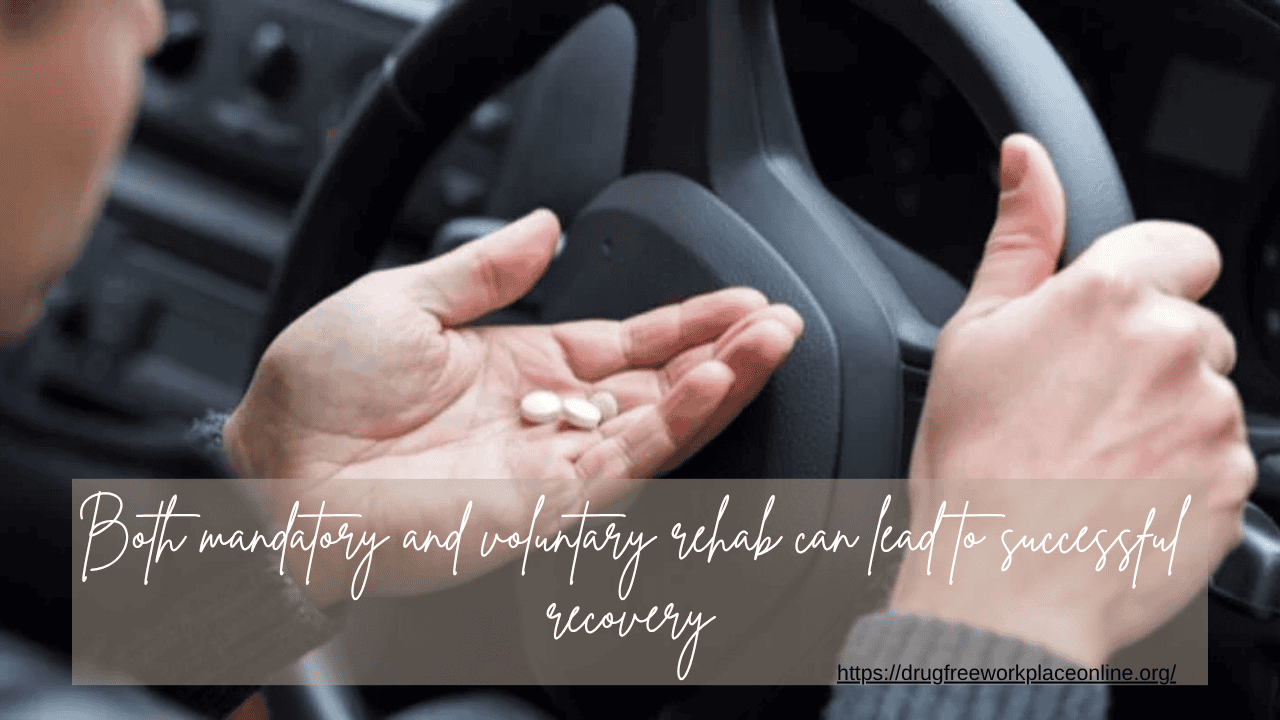 For drivers facing substance abuse issues, entering a rehabilitation program can be a critical step toward recovery and job retention. However, the path to rehab can differ significantly depending on whether it is mandatory—court-ordered or employer-required—or voluntary, initiated by the individual. Understanding the differences between these approaches is essential for drivers seeking help and clarity about their options.




 Truckers and rideshare drivers are the backbone of the transportation industry, moving goods and people across cities and states. Yet the demands of the job—long hours, irregular schedules, and constant pressure—can increase vulnerability to substance abuse. When addiction takes hold, it doesn’t just put the driver at risk, but also endangers passengers, fellow motorists, and the general public. Fortunately, addiction treatment tailored to the needs of commercial and gig-economy drivers can lead to recovery, safer roads, and renewed careers.
 Truckers and rideshare drivers are the backbone of the transportation industry, moving goods and people across cities and states. Yet the demands of the job—long hours, irregular schedules, and constant pressure—can increase vulnerability to substance abuse. When addiction takes hold, it doesn’t just put the driver at risk, but also endangers passengers, fellow motorists, and the general public. Fortunately, addiction treatment tailored to the needs of commercial and gig-economy drivers can lead to recovery, safer roads, and renewed careers.

