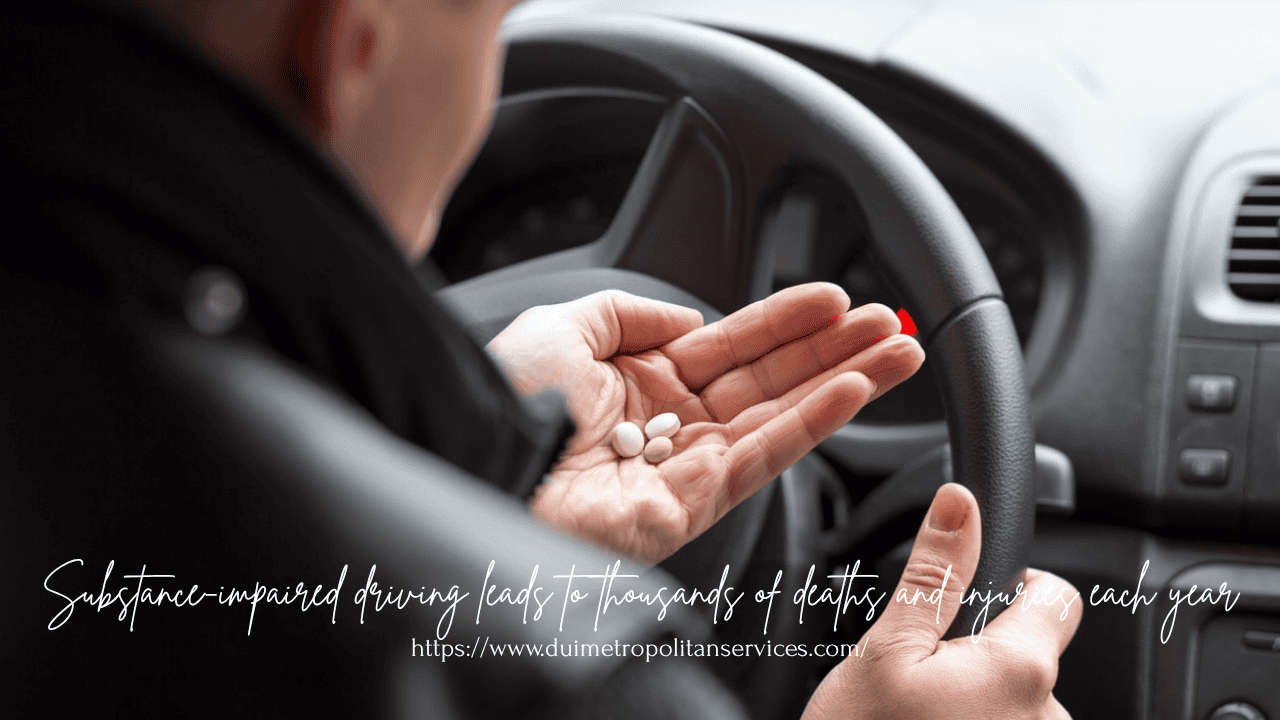
Driving requires focus, quick reflexes, sound judgment, and coordination. When any of these abilities are impaired, the risk of an accident increases dramatically. Substance abuse—whether involving alcohol, prescription medications, or illicit drugs—significantly affects a person’s ability to drive safely. Understanding these effects and knowing what steps to take can prevent accidents, protect careers, and even save lives.
The Impact of Substances on Driving Performance
Substances affect the central nervous system and alter how the brain and body function. Even small amounts can impair critical driving skills:
- Alcohol reduces reaction time, impairs coordination, and clouds judgment.
- Stimulants like cocaine or methamphetamines may create false confidence, erratic driving, and aggression.
- Opioids and prescription painkillers can cause drowsiness, confusion, and slowed reflexes.
- Marijuana affects concentration, depth perception, and motor skills.
- Sedatives and anti-anxiety medications may lead to extreme drowsiness and delayed reactions.
The dangers are compounded when multiple substances are used together. Mixing alcohol with medications, for example, increases impairment and the likelihood of a crash.
Real-World Consequences
Substance-impaired driving leads to thousands of deaths and injuries each year. Beyond the physical harm, the consequences for drivers can be severe:
- Legal issues such as DUI charges, fines, and incarceration
- Loss of driver’s license and professional certifications
- Job termination, especially for commercial drivers
- Increased insurance premiums or denial of coverage
- Criminal records that can impact future employment
For commercial drivers, a single positive test can mean permanent disqualification from their profession. That’s why recognizing and addressing substance use is so vital.
What You Can Do About It
Fortunately, there are concrete steps drivers can take to protect themselves and others from the consequences of impaired driving.
1. Recognize the Problem
Self-awareness is the first step. If you find yourself relying on substances to function, stay awake, or relieve stress, it’s time to reassess and seek support.
2. Seek Professional Help
Addiction is a medical condition, not a moral failing. Talk to a healthcare provider or addiction specialist. Treatment options include:
- Medical detox
- Inpatient or outpatient rehab
- Therapy (CBT, individual, or group)
- Medication-assisted treatment (MAT)
3. Use Support Resources
Support groups like AA and NA provide community and accountability. Many employers offer Employee Assistance Programs (EAPs) with counseling and recovery resources.
4. Commit to Safe Driving Habits
Never drive under the influence. Plan ahead:
- Use a designated driver
- Utilize rideshare or public transportation
- Keep a list of emergency contacts or support numbers
Prevention Starts with Awareness
Education and early intervention save lives. By understanding how substance use affects driving, individuals can make informed choices and take responsibility for their actions.
Conclusion
Substance abuse and safe driving do not mix. Whether you’re a professional driver or a commuter, your safety and that of others depends on your ability to operate a vehicle responsibly. By recognizing the risks, seeking help, and adopting safer habits, you can stay sober behind the wheel and contribute to safer roads for everyone.